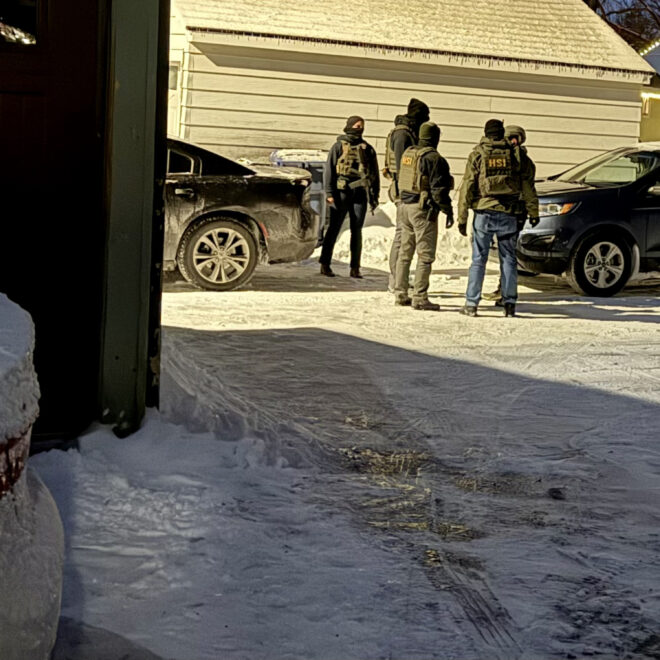
Christina and Jeff kick off the new year of Overtired sans Brett. They delve into Christina’s impending cervical spine surgery, ICE raids, and neighborhood signal groups. How do you keep mental health in check when Homeland Security is in your alley? Tune in for a wild start to 2026.
Sponsor
Copilot Money can help you take control of your finances. Get a fresh start with your money for 2026 with 26% off when you visit try.copilot.money/overtired and use code OVERTIRED.
Chapters
- 00:00 New Year Kickoff
- 00:41 Personal Updates and Health Challenges
- 01:49 Surgery Details and Insurance Woes
- 04:45 Exploring Surgery Options and Recovery
- 12:44 Journaling and Mental Health
- 15:40 The Artist’s Way and Creative Practices
- 24:31 Unexpected Alley Incident
- 38:10 Family Activism and Signal Setup
- 38:52 Unexpected End of Year Incident
- 39:35 Speculations and Concerns
- 40:13 Dealing with Law Enforcement
- 45:35 Reflections on Responsibility
- 54:43 Gratitude for Signal
- 59:31 Tech Talk: Synology and Backup Solutions
- 01:03:08 Mac Updater Alternatives
- 01:10:03 Conclusion and Well Wishes
Show Links
Join the Conversation
Thanks!
You’re downloading today’s show from CacheFly’s network
BackBeat Media Podcast Network
Check out more episodes at overtiredpod.com and subscribe on Apple Podcasts, Spotify, or your favorite podcast app.
Podcast: Play in new window | Download
Subscribe Apple Podcasts | Spotify | iHeartRadio | RSS | More
Transcript
Promise Not to Whine
[00:00:00]
New Year Kickoff
Christina: Well, happy New Year. You are listening to Overtired and I am Christina Warren, and I’m joined as always by Jeff Severance Zel and, uh, Brett Terpstra couldn’t be, uh, here with us in this, uh, happy early 2026 episode, but I’m, I’m super excited to be able to kick off the, uh, the first pot of the year with you, Jeff, how are you?
Jeff: I am good. Happy New Year to you.
Christina: Likewise, likewise. Um, oh, here, here, here’s to 2026 being significantly better than 20, 25. So
Jeff: So far, not so good, but I’m, I’m really, I’m really excited about 2026. I’m
Christina: I was gonna say, like, like globally, globally, so far not great, but, but,
Jeff: in here. Good in here.
Personal Updates and Health Challenges
Christina: So, um, so how are, uh, uh, how, how, how is the, I guess a, I guess we can kind of a drill into like a, a brief kind of mental health or, or just personal update thing if we want. Um, how, um. How are things for you so far? Um, I guess the end of the year. How are things with the kids? Um, the [00:01:00] wife, everything.
Jeff: the, how the year ended is, and that gets us back to almost a political level. I will save for a topic 'cause boy do I have a story. Um, but, uh, generally speaking, doing really well. Like we traveled, saw my dad and stepmom in Iowa. Saw my in-laws in Indiana, had a really nice, just like generally had a really nice time off.
Um, and despite the fact that I’m under a super stressful deadline over the next few days, I feel good. How about you? You got a lot going on.
Christina: I, I do, I do. So I guess just kind of a, a, an, an update on, um, the, uh, the Christina, you know, cervical spine, um, saga since we last spoke a couple of weeks ago. Um, I guess maybe two weeks ago now. Um, uh, it was maybe a week ago. Um, uh, it was two weeks ago, I think. Sorry, it was, it was right before Christmas.
Surgery Details and Insurance Woes
Christina: Um, I was still awaiting, um, hearing back about when I would be scheduled for, uh, surgery and I’m getting, um, uh, artificial disc replacement in, um, I guess [00:02:00] between like C six, C seven of my cervical spine. And I do finally have a surgery date. Yay. Um, the bad, yeah, the bad news is it’s not until February 2nd, so I’ve gotta wait, you know, a month, which sucks.
Um, I would have been able to get in, you know, uh, three weeks ago at this point. Um, had I been able to like, I guess like book immediately, but without insurance, like approval, um, I didn’t really want to do that. Um, I think, I think people, uh, can understand why, like, you know, when the doctor’s like, well, we can book you now, but you’ll just need to sign some forms that say you’ll be responsible for the bill if insurance doesn’t pay.
Jeff: Oh fine. Get Where’s my pen?
Christina: right, right. And I’m like, yeah, this is, you’re gonna keep me overnight just for, you know, observation to make sure like nothing bleeds or, or, or whatever’s a problem. Um, 'cause they’re gonna go through like the, the, the front of my, of my neck to, to be able to reach, you know, um, things that way and, and, and so, [00:03:00] you know, and be under, you know, anesthesia, you know, it’s, it’s, it’s not like a huge critical procedure, but it’s still neurosurgery.
Jeff: is through the front of your neck.
Christina: and, and, and, and, and, and again, and it’s a neurosurgeon and it’s like, you know, they’re gonna, you know, take some stuff out and try to make sure that like, you know, very, like they’re gonna be, you know, um, screwing up against my trachea and stuff. And like, yeah. I mean, like, you know, it’s, it’s not, it’s not minor.
It’s not like I can just go in in an afternoon and be like, oh, I’m, I’m, I can just like walk out.
Jeff: Right.
Christina: Um, um, although apparently I will feel better, uh, as soon as it happens, but yeah, I mean, this is probably gonna be a six figure, you know, operation, I’m assuming so. No, I, I, I’m sorry. In, in this climate, uh, I don’t feel comfortable.
Just, I need my name to be like, oh, yeah, I’ll, I’ll be responsible for that, and then be responsible for trying to track everyone down to, to pay. So that’s the frustrating thing is that, and now of course, you know, you, you get the beginning of the year, a bunch of people have been waiting, you know, to get, you know, things scheduled, I’m sure, and [00:04:00] whatnot.
So I’m grateful that I’m scheduled at all. Um, I’m also grateful that right now I’m not insignificant pain, which is a really good thing because if this had been the pain level that I was in for the first few weeks, then like, I wouldn’t, I, you know, I mean, I would wait. I mean, if, if, if you have to wait, you have to wait.
But, um, I, I, I might have like pressed upon them like. Is there any way we can move this up? Um, but I’m not in that position, which is good. The only thing is just that the numbness, um, on both arms. But, but, but primarily, yeah. No, I mean, that’s not gone away and, and it’s, and it’s not going to is the thing, right?
Like there are a lot of people and like, and I, I’ve started now that I’ve got, got it like actually like done and like scheduled and you know, I’m going through all like the, you know, um, checklist stuff before you, you go in and whatnot. And I have like my, you know, pre-up appointments and all that stuff scheduled.
Exploring Surgery Options and Recovery
Christina: Um, I am starting to, to look more into, I guess like, you know, I guess recovery videos that people have put up on YouTube and, and reading a few things on Reddit. Although I’m doing my best to, to stay off the internet with [00:05:00] this stuff as much as possible. Um, just because for me it’s, it’s not beneficial, right?
Like, it, it’s, it’s one thing if you know, um, you, uh, you don’t like. If, if you can separate and not kind of go down rabbit holes and like freak yourself out or whatever, sure. Maybe it can be good information, but for me, like I, I know my own kind of, you know, limits in terms of, of how much is good for me.
And so I’ve, I’ve tried to keep that in moderation, but I have watched a few, you know, videos of people, you know, kind of talking about their experiences. And then of course then that gets used sent with like videos of like doctors who of course, for their own reasons, like are trying to promote like, oh, well you should do the, the, the fusion versus the, the, the disc replacement and, or you should do this versus that.
And I’m like, okay. I actually watched one interesting talk that, that some guy gave it a medical conference and neurologist gave it a medical conference and it was a neurosurgeon, I guess is, is the proper term. But that I think kind of really distinctly a, it was very similar to. Exactly what my surgeon said to me, [00:06:00] um, when he was kind of explaining the differences in the procedures.
Um, and, and b but kind of went into, I guess like the, the difference in terms of outcomes and, um, and it made me feel better about like that if I’m a good candidate for this procedure, that, that this is, um, the right thing to, to do and probably will be better for me long term. Um, because the, the results are, are better and, but not by a small portion, not like by like a, a gargantuan portion.
But they are, they are, there is like a sizable difference between outcomes in terms of whether like the average person who needs a revision, um. For, you know, cervical spine versus getting, you know, disc replacement versus, um, uh, fusion. Fusion has been around a lot longer, and so insurance companies are a lot more likely to approve that.
But in Europe, they’ve been doing the, the disc replacement stuff for 25, 30 years. Um, and so there is a lot of data on it, but it’s been a much more recent thing in the United States because insurance companies didn’t really start to do it until about five or 10 years ago. And so, and so, you know, some people will, [00:07:00] like some doctors who very clearly have an agenda on, on YouTube and like, that’s fine, like your practices, your practice and you’re comfortable with what you’re comfortable with.
But they’ll be like, oh, we don’t have enough data on, you know, the types of, um, you know, discs that we’re putting in people’s, you know, necks and, and how, how long they, you know, last and, and there might be some differences in terms of if you’re doing like a multi-step, meaning you’re doing like multiple discs at once.
Or if, you know, depending on like what, what, what part of the spine you’re in. And like, I, I think at this point for, for artificial disc replacement in the US they’ll do it two steps. So they can do two at once, but they won’t typically do three, although they will do three in Europe. And so there are people who will go to Europe and get the three
Jeff: They’re so liberal in Europe. We’ll do three.
Christina: Well, I mean, I think it’s a difference in, in that case, just a matter of like, if they’ve been doing the surgeries there longer, you know, then, then they, you know, and, and, and you know, and, and this is not uncommon in, in various forms of, of medicine, you know, where like you have different, you know, procedures and different exploratory things in different fields, in different areas.[00:08:00]
So anyway, so then I get kind of trapped into those rabbit holes. But the interesting, the night, the, the, I guess comforting thing is that like, you know, I’ve been reading, you know, around reading, but watching people who were doing vlogs, like after their surgery and like there was this guy who. I was a few years younger than me, but he, you know, posted some updates.
I, I guess he got his in July and he kind of did like, you know, updates, you know, kind of like, you know, this was me right after surgery. This was me, you know, three weeks later. This was me however many months later. And that was really great to see. Um, and, and his, his scar actually healed really nicely, which was encouraging.
So, um, yeah, I mean, I’m, I’m, I’m, I’m hopeful. I mean, the one thing that’s interesting that, like almost the universal thing that people say, of course you have a few people who say, this didn’t help or, or, you know, this, this was bad or whatever. And, and obviously like that’s always terrible to see that, but you know, you’d have to kind of like go by law of averages.
But the, one of the central kind of things is a lot of people being like, I should have done this earlier. And, and so I’m feeling good about that because that is, I, I, I, I don’t know what this says about me, [00:09:00] but like there’s was never a moment in my mind where I’ve been like, oh, I’m not gonna get the surgery as soon as I can get the surgery.
That’s never even been part of my like, thought process. And, and, and, and, and it’s funny because I think that like, that is actually odd compared to almost everybody else. Um, the general public, I guess, who goes into these sorts of things. Um, or at least the people who are vocal on the internet, right? So, so maybe like, maybe there are a lot more people like me who just don’t go to forums and comment on stuff and are just like, yeah, I’m gonna get the surgery because that’s what the doctor says.
There’s the right thing to do, and that’s what makes sense to me and I wanna, you know, not be in pain and I wanna be able to feel my arm and all that stuff. Um, but there are a lot of people who, I don’t know why, um, I mean, I guess the idea of surgery is, is really scary. And, and like, I can, I can understand that obviously, but to the point where they’re like, okay, well no, I’m gonna try physical therapy and I’m gonna do everything I can to avoid surgical intervention.
And I’m, I’m like, no. Like, like [00:10:00] freaking cut me up, doc. Right? Like, like, like, get me in, get me in. Like, let’s get better, right? Like, I, I’m not, I’m not here to like fuck around with like, 'cause right now, because the immediate pain is not there, I could be okay. Right? Like, I
Jeff: Sure.
Christina: try steroids, I could try pt, I could try to do other types of therapies and be like, well, maybe that will move the nerve around.
Or maybe it can get the disc like UN you know, bolt, whatever the case may be. And maybe I won’t need surgery. Um, or I could let this go on longer and continue to be weakness, you know, and, and, and in, you know, it’s not like I’m not in, I’m, I’m not in active pain, but it’s not, not painful at certain times.
Not worrying about is this just going to become like a permanent way that I feel, which would be. Awful. Um, and, you know, and, and, and like, it’s not the most debil debilitating thing, like I said. Um, if, if I was in a position where I, I couldn’t get surgery, obviously I could be okay right now, but you never know.
Also, like, when is it going to, to swap again? Right? [00:11:00] Like, and, and, and, and for me, I’m also, I’m like, I, I don’t wanna have to like, live in fear of doing something, you know, to my arm or my neck or, or whatever, and, you know, making things worse. So,
Jeff: right. Oh, I’m glad you’re doing it.
Christina: yeah, me too. So anyway, that was a long-winded update, but Wow.
Jeff: Yeah, that’s intense. So I’m really glad the pain is not what it was 'cause Holy shit.
Christina: Yeah, the pain was, was really, really bad. And I, like, I look back now and it’s, you know, I, I guess 'cause it’s been a couple of weeks since it’s been really debilitating and it is, and again, I don’t know like that this is me or this is like just somebody else, but I, or this is me or this is the comment with other people.
Sorry. Um, is that. Like when I’m not in pain anymore. It is such, so much like, I mean, depression is like this too. It’s so much like a vacuum. It’s like when you’re in it, that’s all you can see. But when you’re out of it, like it’s so easy to forget what it was like
Jeff: Yeah, yeah, totally. Completely.
Christina: totally completely right. Yeah.
Jeff: Yeah. I can even imagine being in the [00:12:00] situation you’re describing, knowing I have a surgery coming up and being like, well, do I want to? Which, like, to your point now, you make that call and you’re worrying forever. Am I gonna wake up? And this thing’s there. Next time it happens, I gotta wait another God knows how long before the surgery, when I’ll know it’s time.
Like, you know it’s time now. Get in there.
Christina: No, totally, totally. And and that’s the thing. And I think sometimes it can be. Like I said, like when you’re not in the thick of, of it, whether it’s like, you know, feeling depressed or feeling overwhelmed or, or stressed or, or in physical pain or whatever, like it’s easy for to forget like what that can be like.
And so I have to just kind of like remind myself like, no, this was really fucking bad. And yeah, you got through it and now you’re on the other side of it. And so you’re like, oh, okay, well, you know, I, I, I could, you know, do whatever, but you’re like, don’t, don’t forget what that was like. Right.
Journaling and Mental Health
Christina: Um, sometimes I think like, and, and I, and I’m bad at remembering to do this, but new thing for the new year, I guess is why, um, it is important I think to like write things down, right.
Like however we’re feeling, whether it’s, you know, good, bad, whatever. [00:13:00] Sometimes, like for me, like it is
Jeff: Just like journal you mean, right?
Christina: Yeah, exactly. Yeah. Yeah. Be, because it can be useful just to like look back and like, if you’re in a darker spot to remember, hey, there were times when I felt this way. Right.
Might not bring, bring me back to that place. But it’s a good reminder. But also I think almost just, it’s importantly, it’s, it’s, it’s the inverse where it’s like you need to remember when you’re in a good place. What it can be like to be in a worse place. Um, because, you know, I think that’s why sometimes people make decisions they make about what medicines they’re going to take or not take or what therapies they’re going to continue or not continue.
And, um, and it’s, and it’s really easy to get into that, you know, cycle of, okay, well I’m fine now, um, because you’re removed enough from what it felt like to be bad, you know? And, and then, and, and, and also I think sometimes like, uh, and this is why I wish that I’ve been journaling more over the last few years.
You can really get yourself into a deep depression and not realize it.
Jeff: Yes, yes. Yeah. And I feel like journaling too, just like helps you internalize some of the flags and [00:14:00] warning signs, even if you’re never looking back, like, 'cause you’re gonna process them a little bit.
Christina: yeah, yeah.
Jeff: can’t, I, I’ve journaled over the years for stints of time. I can’t go back into them. I almost like, I almost like bounce off the page when I try.
Um, but I really have come to believe that just the act of doing it is the thing.
Christina: agree.
Jeff: Yeah,
Christina: Yeah, I agree. Yeah, I, I usually don’t re reread my old stuff either, and I haven’t journaled regularly in a really, really long time, and I actually would like to get back into that again. I think it would be better for my overall health, but similar to you, it’s one of those things I wouldn’t necessarily revisit,
Jeff: But now, you know, you have a document, you have a reason to go back into it.
Christina: right.
Well, but, but also, I mean, I think to your point, just the act of doing it, um, you know, and this is case, we’re both writers. I think this is the, the case for a lot of, of people who, who write like it, it is one of those things that like, that’s what will almost like cement it in my mind. You know what I mean?
Like, as, as, as mattering [00:15:00] like, like even if it’s something innocuous, even if I don’t remember the small details of just that, that the fact that like, I’ve done it, like, like to your point, helps you kind of process things and kind of, you know, act more as kind of a therapeutic place.
Jeff: Yeah, I don’t, when I’m writing like that, or just in general, I don’t feel like I’m writing from my brain or feel like I’m writing on my brain.
Christina: Yeah, yeah.
Jeff: It’s like I am actually putting the information in, not drawing it out weirdly.
Christina: Yeah. Yeah. No, I, I know, I, I, I, I love that actually, I’ve never thought of it before. Writing on my brain. I love that. That’s really, that, I think that’s really profound.
Jeff: Yeah. So there’s, um, there’s a kind of journaling that I wish I, I, well, I don’t beat myself up at all to be clear about this 'cause that I’m too old to do that anymore.
The Artist’s Way and Creative Practices
Jeff: Um, but there’s this book I read back in. Oh God, 2019 99 called The Artist’s Way by this woman Julie Cameron. And I don’t remember much about this book except for, and I probably have talked about it on this podcast [00:16:00] years ago at this point, but she has this practice, she calls morning Pages.
And the idea is you sit down first thing in the morning, you fill three pages, you don’t think about what you’re writing or why you just keep the pen moving. And, and I, what I have found, that’s the only kind of real regular journaling I’ve ever done. It’s a great, great hack for me. 'cause it, it, I can do that.
And I fill, I’ll fill a, you know, big notebook and I have a box full of them from over the years. 'cause again, I’m old. Um, but what is, I have never, I don’t think there’s been a single day that I’ve done those morning pages when I haven’t been a little surprised and something hasn’t emerged that. I’m like, I’ll think to myself, well shit, if I hadn’t have done this, where would that have stayed and lived and, and lodged itself.
Right. Like, um, so anyway, I I’m glad you are bringing this up 'cause it’s reminding me of that and New Year is a great time to be thinking about that.
Christina: Totally, totally. No, I love that. And I, yeah, I, I found the book The Artist’s Way, a Spiritual Path to Higher [00:17:00] Creativity.
Jeff: Yes,
Christina: and it’s like this yellow gold book, but like, apparently, and then like they, they, they, they, they sell Morning pages Journal, a
Jeff: they do, of course. I
Christina: Yeah. Yeah, of course.
Jeff: it probably took her two decades to realize she should be cashing in on that, but she did.
Christina: No, honestly, so the book, it looks like it was published the first one in 92,
Jeff: Yeah.
Christina: then they were selling the companion volume to the Artist’s Way as December 29th, 1997. Um, so, so like
Jeff: that you’re doing this history. This is delightful.
Christina: I, well, I just looked at Amazon is just kind of filling this out for me, so I’m, I’m, I’m, I’m, I’m, I’m, so at least it is possible that, that the, the book pages might have been even earlier than that, but like, good for her on like, recognizing there’s also a Artist’s Way workbook, um, now that was like a decade later, like 2006.
Jeff: Yeah, that’s what I, maybe that’s what I’m thinking of. That came much later.
Christina: Yeah, yeah. But, but it does seem like she got into that, like a David Allen kind of, you know, like, you know, whatever steps of highly, you know what I mean? Like, like all that kind of like stuff, [00:18:00] which
Jeff: You’re letting the publisher have those meetings with you.
Christina: Which honestly look good for you if you’re selling that many and whatnot.
And, and if you come up with this journaling way, yes, sell the freaking paper. You should be selling PDF copies so that people can have it on their iPads now, like, you know,
Jeff: Yeah.
Christina: or, or, or on the remarkable tablets or whatever.
Jeff: she had another thing actually I haven’t thought about in a long time. It wasn’t as useful to me long term. It helped me in the moment I. In the moment I was in, she called 'em artist dates and the idea was like, 'cause as you said in the title, it’s all about creativity. She was like, you, you take yourself out, go to a, whatever it is, a museum, a art supply shop, something like that.
But with intention, like, I am going out to do this thing on my own alone because I know that it has some connection to what feels good to me about art and creativity and expression, whatever it was. That seems like a silly thing. Like it’s basically her saying, go to a museum. There was something about calling it an artist date.
I think I was in a relationship too at the time where I was like not, it was not easy for me to [00:19:00] just go do something on my own. It was just a weird dynamic a little bit. So anyway, that was another good thing that came out of it. I mean, I, you don’t really have to work hard to tell me to go do something on my own, but at that time in my life you did. Yeah, she was great. That’s awesome.
Christina: Yeah. Yeah. Uh, yeah. No, that is funny. Yeah. So yeah, so apparently that book was published in, in 1992 and, um, you know, uh, was immediately like, well, the first printing was about 9,000 copies. In 1992, the book was published by Jeremy Tarcher. Now part of Pink Wing Group revised and millions of copies have since been sold millions.
Jeff: it was total like guru status by the
Christina: Oh yeah, absolutely. No, absolutely. You know, and, and in a, yeah, she, she was, uh, she’s a, she was born in 1948, and so, uh, she’s still alive. She’s still kicking it. Um,
Jeff: yeah. I think she made some new book that was like kind of a take on it, but it was a different, I don’t remember. Anyway. You’re the
Christina: Yeah, no, no. Her, her list of like, of like books that she’s published is, she’s the, the most recent one. So she’s still doing the, the, the [00:20:00] writer’s way thing, living the, the artist’s way. An intuitive path to greater creativity. So I guess they did a 2024 version Write for Life, a toolkit for Writers Seeking wisdom, A spiritual Path to Creative Connection.
Six week artist program.
Jeff: it’s kind of like David Allen, where it’s like, wouldn’t it be nice to have created something when you were, whatever, reasonably younger, like 20, 30 years ago, that not only that you can ride for a long time, but you probably don’t feel bad about riding it for a long time. Right? Like, 'cause you can create things or have a band or something like that, that like your only choice is to ride that thing, but it gets pretty ugly.
I see you Vince Neil. Um, but yeah, anyway, must be
Christina: No, it ha it has to be nice, right? 'cause it’s like, okay, well no, and, and then it has all these little spinoff things, so it’s not like you have to feel like, I mean, although th this actually, this would, this would be an interesting idea for like a, a, a novel or a screenplay or something, which would be to be like, okay, you know, and people have have done like riffs on these things before on, on, you know, shows or whatever.
But, so this would be an interesting story, I think to kind of focus on where it’s like you have somebody who is like, just famous for like, this, this one thing that they did, [00:21:00] and now their whole life has to revolve around it. But what if it was like, something that they didn’t like actually, like, believe in?
Jeff: yes,
Christina: what if you have the guru? What if you have the guru who’s like, actually is like, actually I don’t really, you know, I’m, I’m, I’m David Allen, but I, but I can’t actually get anything done. I have to have like a whole, you know, cadre of assistance to actually organize my, my, my, my calendar and my life.
For me, you know, I don’t
Jeff: Carol and Pluribus, I don’t know if you’re watching Pluribus, but that Yes. Her, her whole like book series. Clearly she was at a point where she’s like, yes, I should still ride this, but I cannot. That’s all right. Things changed for her. Um, okay. I have to tell you about something insane that happened to me at the end of 25.
Christina: Okay. Alright. Before, before we do that, let me let Ru first, um, let’s, uh, let’s, let’s go ahead and, and get our, our sponsor read
Jeff: Oh, way to remember the sponsor. We remember you sponsor.
Christina: We, we, we do. So, um, I, I, I, before we hear about what happened to you at the end of 2025, let’s, uh, let’s go ahead and talk, uh, forward a little bit about 2026.
So, are you [00:22:00] ready to take control of your finances? Well meet copilot money, the personal finance app that makes your money feel clear and calm with the beautiful design and smart automation. Copilot money brings all your spending, saving and investment accounts into one place available on iOS, Mac, iPad, and now on the web.
And so, as we are entering 2026, it is time for a fresh start. And, you know, with Mint, uh, shutting down last year and rising financial uncertainty, consumers are seeking clarity and control. And this is where copilot money comes in. So, copilot money. Basically helps you track your budgets, your savings goals, and your net worth seamlessly.
And with a new web launch, you can enjoy a sending experience on any device. And I, I know that, like for me, like this is a big deal because it’s great to like have the native like iOS and MAC OS apps, but I need to be able to access on a, on a, on a web browser. Um, I, I don’t wanna be tied just into an application model for something like, you know, um, tracking my budget.
And guess what? For a limited time, you can get [00:23:00] 26% off your first year when you sign up through the web app. New users only don’t miss out on a chance to start the new year with confidence. With features like automatic subscription tracking, you will never miss upcoming charges again. Copilot money’s privacy first approach ensures your data is secure and that their dedicated to helping you stress less about money.
So whether you’re a finance pro or just starting out, copilot money is there to help you make better decisions. Visit, try. Do copilot money slash Overtired and use the code Overtired to sign up for your one month free trial and embrace financial clarity today. That’s try dot copilot money slash Overtired and use that coupon Overtired and you will, as I said, save 26% off your first year.
So try copilot money slash Overtired. Use the coupon code Overtired. Thank you very much. Copilot money.
Jeff: Bam. Can you hear my Synology?
Christina: No,
Jeff: Oh, that’s funny. 'cause I, I get this. Hum. I recently com I, I’ll visit this in GrAPPtitude. I, [00:24:00] uh, I completely clean, installed my Synology after like six years. 'cause when I did. Build it. Initially, I actually didn’t really understand how to use it, and I, and I made some mistakes that because of all the stuff I put on, it was hard to sort of, I was treating it like it was gonna be an external drive and I could just kind of work with, you know, which was a huge mistake.
Um, but anyway, I, it’s working so hard. It’s working so hard and it’s on my desk, which it normally wouldn’t be. So I hear this humming. Didn’t know if you heard it.
Christina: I, I did not, I did not, which is a good thing. So, okay, so, all right. Uh, let, let’s, let’s go back. So what, what, yeah, I’m ready. I need to hear what happened to you at the end of 2025. All right.
Unexpected Alley Incident
Jeff: All right, so, um, my boys are out. They’re almost never out, but they’re both out with friends, different places. My wife and I we’re home and we were eating dinner and I got an alert from my back door ring camera, and. That almost never happens. It’s only exists to, to notify me of like alley shoppers.
We’re in, in the city. We have an alley behind us and, and we get a fair amount of pretty [00:25:00] harmless alley shopping. Like it’s, is the car unlocked? If it is, you got some change. If not, I’m moving on. Um, but I like to know when they’re there.
Christina: yeah,
Jeff: We’ve had some bikes stolen and some people go into our garage and stuff like that.
It’s very rare that it goes off less than I actually thought it would. Um, and so it goes off and it goes off at around 7:00 PM very unusual. And, uh, and so I, I, I pull it up and I look and, and I, all I can see is there’s two cars parked in the alley. I have this weird view where, um, it’s kind of a fence and then our garage.
So I can see between those two things to the alley basically. So there’s two cars. That’s weird actually. And when I see some of people’s like videos about folks breaking into their cars, there’s often two that come. And so I was like, oh, okay, well it’s, I should just like go out and look. So we go and we kind of look at our, at our back window to see if we can see anything.
And we’re just like, yeah, it’s weird. They’re not only parked but the headlights are off. And like, I’m gonna go out and check it out. She’s like, well first, why don’t you look at the video it recorded, which I wasn’t thinking of at all. So I pull up the video, it recorded, and I see these [00:26:00] cars park, but it’s like three or four of them come through the two that I can see park.
And all of a sudden there are probably seven or eight figures running down the alley from these cars. Okay? And I’m like, well, that’s crazy. And so I walk out there and I go up to the first car and it’s got Texas plates. And around here where we have a little bit of an ice invasion, Texas plates are reported a lot.
I look at the next car and it’s got no plates at all. And I look at the car after that and it’s got vanity plates, specifically chosen one with a Z. Um, and, and I’m like, oh my God. It’s the thing like ice is in my alley. And, uh, and so I come back in, I I’m like, you tell my wife, like, should probably get your coat on.
I think it’s the thing is what I said. And, and we go out and sure enough, like at the end of our alley where there is a family and, and they are, um, US citizens, they’re Mexican immigrants, um, that’s where I see all these officers sort of, or these agents sort of coalescing and um, I’m gonna leave some aspects of this out.
They were [00:27:00] actually, they were serving, uh, uh, narcotics warrant that ended up being totally misguided. Nothing happened of it. Um, but it was super scary. But I kind of don’t wanna say more than that because I wanna be really clear that as everyone should know about policing, a search warrant is not an indictment.
Um, and oftentimes search warrants are so searching and, and, and often come up with. With nothing. Right? And, and maybe even were targeted at the wrong person. And there’s didn’t even have the name of my neighbor on it. It’s this whole thing. But the point is, it was a little different from what we’ve been hearing because there was a different agency there serving a warrant.
It was the airport, airport, police department, 'cause of a package. So there was that piece, there was actually a signed warrant. 'cause everyone’s trained to say, show me the warrant. Show me the warrant. So everyone, you know, my wife and I were the first ones there. Um, and then another neighbor rolled up, and then I’ll get to the rest in a second.
Um, so it, it’s shocking that it’s happening in our alley.
Christina: in our alley, right?
Jeff: just like,
Christina: you, yeah.
Jeff: what? What the
Christina: I, I mean, how [00:28:00] I would feel to a certain extent would be like, I’d be like, am I in Amer in an episode of the Americans? Like, like, you know,
Jeff: is, did they have to write it this way? Just 'cause how else are you gonna bring it to the people? You know? It’s, you gotta bring it to the characters. Um, so anyway, we go down there and, and there’s one, so all of the, everyone decides the airport PD guy who has no mask and is kind of like presenting like a pretty normal cop basically.
And he is got a badge and a name and a number. But walking in and out of the house, all around us are these guys who are in full battle fatigues. They’ve got masks on, they’ve got ars. Um, they are, they are a weird mix of people. There’s a woman in there who’s like looking like, literally like she was cast for a movie to be, uh, an, an ice person.
In this case they were Homeland Security Investigations, HSI. But it’s all intertwined at this point. Um, and then there was a guy that must have been like eight feet. That was crazy. There was a single guy that was wearing a, like a straight up like helmet, uh, for, as if he were going into battle. [00:29:00] Nobody else is wearing a helmet.
Um. And none of them were talking. They were just passing through. And, um, and so we tried to engage one of them, talked to them for a little bit, do the thing you do. Hey, why don’t you take that mask off? You know, I don’t wanna get docked. I was like, uh,
Christina: around.
Jeff: it was like, I both understand why you don’t wanna get docked.
I also feel like you’ve got the power here, brother. Um, and which was the conversation we had, um, I was like, you have a mask on. You also have your finger on the trigger of a gun. And he’s like, well, that’s not, it’s not on the trigger. This is how we hold guns, dude. I was like, I understand that, but your finger is itching at the trigger of a gun.
And so he put his hands on top of the butt of the gun. 'cause it was kind of, you know, mounted the way it is. Is that better? I was like, no, you’ve still got all the power. Take the mask off. Like, at least. Um, and uh, what, what was really interesting, and I I have this sort of like wrap up that occurred to me later that kind of blew my mind is, you know, in our neighborhood, um, because ice activity has been going on all around our neighborhood, like in.
Neighborhoods [00:30:00] surrounding our neighborhood or a little further out, but all within a, I could get in the car and rush out there distance. Basically we have these, we have these neighborhood signal groups. The first one that popped up was actually around my son’s school, which is very close to here and has a lot of East African and Hispanic, um, immigrants and, and, um, and so that we knew that was like, you know, people were scared there.
Some kids weren’t coming to school. And so, um, some neighbors organized in such a way that they could a, have a signal, uh, communication channel. But also part of that was planning at the beginning of the day and that release time for enough people to sort of be paired up in areas around the school, but not so close that it freaks the kids out.
That like if something happened, there could be sort of a rapid response. So we had that signal group. There’s a broader signal group that probably covers like a four block area, and then there’s a wider one that’s our wider neighborhood basically. And that one’s like a rapid response signal group. So these have been going.
Pretty, like consistently [00:31:00] ever since it was announced that we were getting ICE and Homeland Security folks here. Um, so the network was all in place. And, and so I’m out there initially and I see all the cars. I’m like, holy shit. Wife and I go to the end of the block. We start talking to first the airport PD guy who’s there, and then the the one HSI guy who comes out.
Then another neighbor, another neighbor. I go back to take pictures of the plates because folks around here are keeping a registry that you can get through the signal group of all of the makes and models of cars that we know have been at these, um, kind of ICE activities or homeland security activities, and then their license plates.
And so there’s like a running log, which has happened in other cities too. So I was taking pictures of all the cars. Um, but I was pretty like, I mean, I’ve been through some shit and. Having it in your alley is very different from going halfway across the world as like an activist or something. Um, and having it ha neighbors are people we know and care about.
And so knowing that, not knowing what’s happening for them, which I don’t mean to bury that lead [00:32:00] 'cause I’m kind of getting to that part, but I also want to just respect their privacy. Um, so like the thing I should have mentioned at the top is like, we know these folks and it was fucking terrifying to be standing there arguing with these HSI guys knowing that at some point, or just assuming at some point these people we know are gonna be dragged outta the house in front of us.
And then it was just like this constant question of what the fuck will we do? Then? It did not happen to be really clear, uh, ahead of time. So I’m taking pictures of these cars, I’m like, oh shit. I’m supposed to notify like the signal group, but I’ve got, I’ve got all the presence I need to take pictures of cars.
I’ve got the presence I need to engage these guys, which my wife was doing plenty good job of, so I could just like walk away and do the license plate thing. But when I pulled up my phone. To open signal. I opened Slack three times, like I could not, I got an S into my search, my app search, and like kept clicking the wrong thing.
I was shaking. It was also freezing out and so like I’m shaking and so [00:33:00] thank God it occurred to me. I have one friend I know on this signal group that I, I know would answer the phone, so I called her. I called her and I was like, I need to be quick. Here are like the fundamental details. Can you please notify?
The signal group and the rapid response people. So that was great. She did initially, the first group that showed up, which was just incredible, were like all of our neighbors, we all know this family. Like it’s not, they are just neighbors. It’s not like it’s a special offset group or something. Like they’re neighbors.
So all of the neighbors show up. We have a really tight block. Um, that was incredible because it’s not like it’s a neighbor of activists. It’s what’s been incredible about this stuff from the beginning, which is like how easy it seems to be for people to pop outta their house and be like, Uhuh. Like it seems like, it seems like a lot of people are not feeling inhibited about that, which I think is really cool.
And I totally respect the people that feel inhibited, right? Like, 'cause it’s just, it’s a whole thing to go out there. So we had this great group of neighbors and they were all, we had a public school teacher who was just killing it with this one HSI guy. It was so, [00:34:00] so good to watch and it felt really powerful and I think she was doing a really good job of trying to sort of like.
Knock some things into this guy’s head knowing that like, you know, you’re in a dynamic that kind of you, there’s not a lot of room for things to change. Right. But given that she, it was really just inspiring watching her do her thing and then the like rapid response community showed up, which is like a mix of, you know, folks who are kind of just dedicated neighbors and then people who are sort of what you might call the usual suspects, right?
Like the people you would expect, especially in South Minneapolis to show up at a thing like this. And I don’t know if you’ve heard about the thing people do with whistles around these things.
Christina: Yeah. Well, I, I, all I’ve heard is that, and I ha, so all I know is I think sometimes people have whistles and kind of like, like, like blow them, almost like to alert people like that, that like, like the, like the, the, the, that like ice is there.
Jeff: Yes, exactly. And that yes, that’s exactly it. And that’s been going on here and, [00:35:00] and everybody’s getting whistle. You know, sometimes when you get a good, it’s, I’m not calling it a bit, 'cause I’ll tell you in a minute why it was effective, um, in ways that I hadn’t anticipated. But, uh, you know, it’s like a, it’s, I can do this, I can get a whistle, I’m gonna get a whistle, right?
Like, that’s something I can do. Like, it’s something that really caught on and there’s all these whistles being passed around and people on the neighborhood group being like, got a bag of whistles if you wanna come by. So I, ima imagine at this point that when these HSI or ICE people roll up to a thing before they get out, they’re like T minus 15 minutes to whistles, right?
Like, this is how long we have before everyone shows up. And, and so pretty soon it’s whistles everywhere. I had a neighbor who kept putting off her, um. Car alarm just to make more crazy noise. We had another neighbor next to this neighbor who is a very conservative like Trump guy who, when he doesn’t like the noise that’s happening in the neighborhood sets off fireworks.
And for some reason he was like, I’m gonna do the thing I do, even though there’s all these guys with guns and I’m gonna set off fireworks. But in that case, 'cause he is pissed off at all of us, like it was so [00:36:00] fucking chaotic for a minute. Um, but it was, it was an incredible thing to see how quickly people can deploy basically.
Um, 'cause we aren’t like Chicago where like we’ve had a lot of activity here, but it’s been pretty quiet activity. Like, it’s like what happened here? It’s like you and your neighbors know about it and maybe 20 people showed up from your neighborhood rapid response. But like, they’re not the kinds of stories that.
They’re not landing on rooftops, they’re not showing up with a hundred cars and calling people away. They’re hauling one person at a time away. And you hear about it here and there, but it’s been very quiet, unlike Chicago. Um, and so to have it given that, especially to have it show up just in your alley was like really, really insane.
Um, so anyway, so it all, fortunately the, the police HSI, everybody left with nothing. They did not carry our neighbors away. They did not have any, any result of this warrant that we could tell. But of course, we’re not gonna know. Another [00:37:00] theme of this is how, how hard it is for good information to be resilient in a moment like this, right?
That’s a whole other theme. And that, that’s one that gets me kinda riled up when people start after the fact or during the fact really kind of shouting out almost things that are wrong. Like the, the call that went out. For people to come. Said there were six cars in my alley with Texas plates, but I was very clear, there are six cars in my alley.
One of them has Texas plates, right? So it’s like, that kind of stuff is a little spooky, but here’s what happened. So at the end it was all over. Our neighbors were able to pop out, wave at everybody, thank everybody. They had been handcuffed this family, um, in their living room while HSI figured out if they were citizens.
And, um, what had what the whistles meant in this case was that they knew people were all over around the house. And that was, I’m sure, a level of comfort to know that like something’s happening out there. And then we learned later that there was an immigrant family down the block in the [00:38:00] other direction, across kind of a thoroughfare that we’re on the intersection of who heard the whistles and knew like, let’s stay in the house.
There’s a lot going on out there. I dunno what it is, but now I hear whistles. Let’s stay in the house. And, um, and so it was quite a, quite a thing.
Family Activism and Signal Setup
Jeff: And what I kind of realized afterwards. Was we started this year. My family, my in-laws, my in-laws especially, were very, they’re, they’re, they’re very, um, active.
They do kind of activist work, but it’s very like, um, service oriented. But they’ll go to an anti-war protest. They’ll go, you know, they’ll do the thing. They’re, they’re lovely people. And my father-in-law, especially at the beginning of the year, I was like, I don’t know what’s coming. Um, I hear that it’s good for everyone to have signal if we wanna be able to communicate to each other.
So I wanna learn how to use signal. And so I helped him, my mother-in-law set it up. I created kind of a family group for Signal and everyone was setting up signal, right? Like at that point, not knowing what was gonna come. It wasn’t even January 20th yet.
Unexpected End of Year Incident
Jeff: And I wrapped up my year activating a signal network for rapid response because I [00:39:00] had masked people in my alley with guns refusing to identify themselves driving cars from out of state.
That is insane. And I was like, that looks pretty tight. Season wrap up. Like, what the fuck? Because I kind of had gotten to the point, I guess prior to when ICE got here in, in the first place, I’d gotten to the point where I’m like, I don’t even really think about Signal anymore. Um, but then they came here and it, and it popped up.
So that’s what, that’s what happened in my alley. Um, at the end of the year.
Christina: And, and, and, and, and, and I mean, and, and, and you said, you said your neighbors are okay.
Speculations and Concerns
Christina: I mean, do, do you know anything more about like, like what, what happened or like what the, what the situation was?
Jeff: I don’t know anymore. And that’s where I’m like a little cautious because since it was like a warrant for something, it was a narcotics warrant, right? Like, I, I have no idea what happened there. I don’t know. I can, I can only speculate. Um, but I know that the, the [00:40:00] name on that warrant was not someone that lives there.
Um, so I can tell you that 'cause I saw the warrant. Um, and, and that’s the most I really feel comfortable saying.
Christina: Fair enough. Yeah. I, I, I, I, yeah. I’m not, I’m not trying to like,
Jeff: No, I get it. I get it. That’s me actually.
Dealing with Law Enforcement
Jeff: I’ve been wrestling with like, how much, even on the, I kind of like was asking people to be cautious, even on the signal, because they were sharing details about the warrant.
I was like, Hey, details in a warrant. Do not share those, because that sticks to people. And like the details in the warrant were just like, no, we’re not gonna do this. Even when the guy read me the warrant, I was like, are you serious about that? He’s like, oh man, for sure. Okay, sounds good. Let’s, we’ll talk in an hour when you’re all done and you don’t have anything.
Like I, I’ve been down this road before. I was a reporter for a long time, like I watched The Wire. Um,
Christina: exactly. I was gonna say, yeah, I was gonna say the, the sort of reporting I did, like, yeah, I watched the Wire. Um, so would be
Jeff: I said that to the guy. I didn’t say I watched the, yeah, I didn’t say I watched The Wire to the guy, but I was like, he [00:41:00] kept gaslighting us and I was like, come on man. Like you and I we’re smart people, you and I, and that was me being generous. But like, we’re smart people. You and I like, we know this thing you’re saying.
It’s like, it’s totally not the case. Like when I asked him. The airport PD guy. What’s up with the cars with Texas plates and no plates and vanity plates? I don’t know, I don’t coordinate with those guys. I was like, okay, that’s weird. 'cause like here you are and they’re walking all around you. Surely you coordinated with them enough to get them here.
It was just like, what the fuck? Just so much gaslighting that I won’t even get into, but it was just nonstop. But I was so proud watching my neighbors when the rapid responsible showed up. It was a, there’s always like some people in those situations where I, I, I get pretty activated around lack of discipline and I understand how that happens.
But having been in like really super high stakes situations where people could, and who this was one, right? Like I don’t, I don’t react well internally to people who I feel like are working out something that’s theirs. Um, [00:42:00] and at the same time, how do we know how to process this, right? Like, I don’t, we, it was something incredible to watch Mask men and one masked woman walking up and down my alley, bumping past me with guns, with masks, with no idea, with no badges, refusing to pro produce any saying, why does it matter anyhow, saying how much threat they’re under, seeing how they get followed, like just, it was, it was an incredible thing.
I had my reaction, but my reaction was based on wiring, based on really intense, unusual experiences. Um, other people, this is new to them. This kind of thing is new to me too, but, so anyway, I, I just like, I saved that. I didn’t even tell you guys when it happened. I’m like, I’ll just tell them on the podcast.
'cause
Christina: yeah, no, I mean, that’s, that’s wild. I mean, like, and it’s just, it’s just, well, and, and it’s, I don’t know, it’s so dystopic, right? Like, it’s such a, like a, a terrible like thing to like have to like witness part of, right? Because like, look, yeah, there are going to be circumstances when maybe like, you know, Homeland Security or somebody else, like really actually does need to be involved and, you know, [00:43:00] um, you know, at your neighbor’s house.
And like, that’s unfortunate, right? But like, there, there are real circumstances where that could be a case. Like I, I, I, I, I mentioned the, the Americans earlier, that was like, based
Jeff: I need to watch that.
Christina: It’s a great show. But, but the, the, the, uh, a former CIA agent was one of the, the, the, the creators. But the, um, the idea came to like, uh, one of the showrunners basically, he read an article, I think in the New Yorker or something about a, a family that like seemed like, just like the perfect, like normal family next door.
And like the kids came home from school one day and the parents had been picked up because it turns out that they had been Russian spies living in the United States for like 20 years. And like, they were like actual Russian spies. And, and then that kind of like went into, okay, well, well, well, what happens then?
Like, what happens to that family and, and what happens to get to that point? Like, what happens? Like if your neighbors are those things, right? And so there are those like very much like stranger than fiction. Like, like things, right? But in most cases, that’s not the circumstance. And, and certainly the way that like all this has been handled and the way that they’re doing all of this treat things for, [00:44:00] you know, like whatever the warrants were for whatever the situations are where they’re like, okay, now we’re gonna bring all these other groups in.
We’re not going to have any due process at all, and we’re not going to, to bother with any sort of thing of humanity at all and then freak everybody else out, like is just, you know, then, and then it puts you like, as, as the neighbor, like in this position where you’re like, okay, well how do we get the word out?
How do we help, how do we, you know, make sure that if’s something, is that if this is something that you know, isn’t what we, what we think that it is or whatever, that we can make sure that they’re not going to be. 'cause we see all the reports all the time. I mean, US citizens are getting arrested for,
Jeff: Yeah, totally.
Christina: the wrong way,
Jeff: Oh yeah, we had a, we had a woman here probably, I think she was like in her sixties, and she walked out of her house 'cause there was something happening across the street. And in moments she was in the car, she was gone. Her husband didn’t know where she was. She was released later that day.
Like we’ve had a lot of stories like that. And so that was stressful too, going in, right? Like when my partner and I went, went up to talk to this guy, I, I left down the alley to take pictures, but I [00:45:00] was like looking over my shoulder constantly. 'cause she and I have talked about how, like, can you imagine if one of us was taken and we didn’t know?
And I was like, oh, we are in a situation right now where no way can I say, there’s no chance one of us will be taken. Like, no way. And you know, the longer you’re there, the more you push it a little bit, you know, not push it like physically or something, but just like push it a little more people out front.
Someone kicked an ice car in, in an HSI car and got like pepper sprayed or whatever. Um,
Christina: and it’s, and it’s like, don’t do that. Like, don’t like,
Jeff: Well, it’s funny because, it’s funny because that per I, this is, I, I know there are people listening who will think I’m such an asshole for this, but I, to I, I feel zero apologetic for it.
Reflections on Responsibility
Jeff: So I am, I’m not like a huge fan, like kick the car when there’s a family that we don’t know how they’re doing and these people are around, like, don’t escalate in that way with these people.
Don’t set off fireworks behind the guys that have their fingers resting near triggers. Like you
Christina: That’s what I’m saying. That, that, yeah.
Jeff: yeah, you just don’t do that. Uh, but here’s the part that makes me sound like an asshole and, and I don’t mind at all. [00:46:00] Um, they were, they were the only person that was pepper sprayed. And, and it was this, you know, certain people that come from outside the neighborhood.
It was this very dramatic thing, whatever they pepper spray, you know, whatever. And I was like, what, what happened? They kicked the car. I was like, eh, I’m going in like, I mean like, yeah, you got pepper spray because you kicked the car. I assume you were in for that. Like you signed just like the guy with the mask who’s worried about being docked.
He signed up for this dude.
Christina: I was gonna say, you, you, you, you signed up for this, you, you, you, you’ve signed up because you saw Christina O’s you know, like ridiculous, like, you know, like, come, come join Ice, you know, like, like, you know, freaking social media, you know, posts or whatever, like there ads you’re doing like, yeah.
Like you, you know exactly what you’re doing, so fuck off. I don’t, yeah, I have zero.
Jeff: I I said you signed up for this. I did not sign up for this. I said you signed up for all of it, dude. Like you
Christina: Yeah, absolutely. No, I mean, honestly, well, well look, you know, it’s the same thing like the military, frankly, like, you know, like in the, in, in the seventies and stuff, and we saw, you know, more of it then, like, I’m not saying that it was like the, the right or like nice or like humane thing to spit in the, in their faces.
[00:47:00] Right. But like. Especially after the draft was gone. Like, you sign up for that shit,
Jeff: It’s a tough man. I, I had that, I, that experience throughout the Iraq war where. I knew. I mean, there’s the economic draft. There’s all right, there’s all these reasons people end up in war. But at the end of the day, when I am walking around a city I love, and other Americans are there in armor and Humvees and they have destroyed a city, I feel like this is what you signed up for.
It’s not what you signed up for, but it is literally what you signed. Same with police. It’s a little bit
Christina: that’s
Jeff: I totally respect the trauma. I respect that you’re in situations where
Christina: that’s real. No.
Jeff: your values. Like I
Christina: Absolutely. Absolutely. And, and, and that, that is real. And, and to your point, there might be like, like economic scenarios, drafts and other scenarios where like you’re like, well, I had a choice, but I didn’t have a choice.
Okay, but you knew that this was a trade off. Like you knew that this was a thing that comes with, with, with the territory. If it comes with adulation, but it comes with the bad stuff too. Right.
Jeff: And if you’re killing people, I don’t feel super bad about saying that. I feel super bad for you for having to live with that [00:48:00] fact. But like I don’t feel bad for saying, Hey man,
Christina: well, I mean, like, and, and it’s a
Jeff: have said no.
Christina: and it’s a completely different like thing.
I’m not even trying to categorize it the same way. 'cause it’s, it’s not. But like, just, just like in, in my life, you know, people oftentimes will like, yell at me about stuff that they don’t like, about, like the companies like that I work for. And you know, what I, I’m, I’m part of my job is to kind of be a public face for, for those things.
And that means that I get yelled at and that’s okay. And like that, that I, I quite literally knew that I signed up for that. Does that mean that I always appreciate it? That is, does that mean that I don’t get annoyed sometimes? Does that mean that I like being like tarred and feathered with like mistakes or decisions that like, I had nothing to do with Absolutely not right.
But like, that’s quite literally part of my job. So, you know, it, it, it is. So I can’t like turn around and be like, oh, well, you know, you can’t, you know, like. You know, say, say this to me, or whatever. Right. Um, but, and, and again, I realize it’s a completely different scale of things. I’m not in any way trying to equate the, the, the, the two [00:49:00] scenarios,
Jeff: No, but it’s, I mean, it is, yeah,
Christina: but all of us, but all of us, we have jobs and we do things and like in a case like this, like if you work for those agencies, right.
Especially right now, and like I recognize and I can be sympathetic that you may not have signed up. Under these circumstances. Having said that, I will say that if you signed up in the last eight years, you knew that these were things that were going in a certain direction, right? Um, I, I, I, I, I will, I will further say that like I, I’m not gonna say that like every single person is involved, but I will say like in the last eight years, you’ve, you’ve seen which way the wind was going and, and, and, and, and that’s okay.
You can make that decision and, and like, I’m not gonna judge you or your character as a person for that decision. I’m, I’m, I’m, I’m not. 'cause we all have to make decisions about where we work. Having said that, that just also means like what we’ve been saying, you’re gonna have to deal with some shit.
You’re gonna deal with people recording your face. You’re gonna have to deal with people being angry with you. You’re gonna have to deal with, to your point, people kicking the cop car. And if that’s all that happens and like, and, and, and, and it’s not gonna lead to another escalation point, that’s fine. I, I’m with you.
I’m like, okay, whatever. I will [00:50:00] say though, like I do sometimes get like annoyed with that. 'cause I’m like, okay, this didn’t help anything. And you potentially put somebody who, you know, could have been in harm’s way,
Jeff: I mean, if you have enough people to turn a car over, I’m all for it. But I No, I agree. I feel like, and, and with the stuff around making a choice or sign up for it, to me it’s like anything in life you’re saying yes until you say no. And, and so it, when I was standing there, we were all standing there trying to understand this person or help him understand us or even his own position as we see it.
He’s saying yes every second. He is not saying yo no. In that moment. Right. Like, so that’s the other piece is like, I, I don’t mean like what’s wrong with you even for signing up. I do in this case, but like when I think about the military stuff, like I have families in the military, family who are police.
Like I understand what it means to say I didn’t sign up for this. I get it like on some level, right? But there’s a point at which you always have the option of saying no, and, and there’s a point at which things get to a certain place. And that is where it becomes really [00:51:00] important to either say no or say I have signed up for this.
You just signed up for it. Like
Christina: no, I, well, I was
Jeff: waking up this morning and putting that Kevlar vest on, you signed up again.
Christina: No. A, a, a. Absolutely. And that’s the thing, right? That that’s why like, I feel like, yeah, don’t use that excuse. Well, I, I didn’t sign up for this. No, but you did. And that means you have to eat the shit right now, right? Like, it means that this is the shit sandwich and you have to eat it.
And that doesn’t mean that, like I’m saying, that you have to like, aate yourself or you have to like flagellate yourself. Sorry that you have to wrong. Not
Jeff: way. I think you shouldn’t do any of those things in this
Christina: right? It doesn’t mean you need, you need to self
Jeff: to work.
Christina: does doesn’t mean that you need to, you know, um, like, uh, I’m not, I’m not even asking you like, quit your job, right?
Because that’s. That’s really complicated and, and not, like, I I, I’m not gonna, I’m not, a lot of people are go, well, I would just quit my job in a second. Well, I’m glad that like, you have the means to be able to just do that. Like, you’re very lucky that you have the ability to just walk away and that you, that you are, are, are comfortable with the consequences of that.
Like that’s, and I mean that genuinely, right? Like, I think that that is, [00:52:00] but I also think that that’s such an easy thing to say, oh, well I would never be in this position. Well, you might not be. And there are a lot of positions that like, I can say I would never be in. But I can also say there have been positions where like, you know, you’re at a job and you’re doing things and you’re like, I don’t love this.
And you have to get that point where like, we each have our own lines. This is either I’m, I’m, I’m done and I’m going to, and I have enough of a safety net, or I have enough other things going on, or I, I feel, you know, secure enough, or I just can’t go on any further, whatever the case may be, that I can walk away.
That’s, that’s great if you can do that. But if you’re not, if you’re not in a place where you can do that, then yeah, you have to deal with like the fallout, which can mean people being mean to you. People like, you know, filming your face, people calling you a piece of shit, people, you know, spitting at you, people like turning your car over or kicking it or whatever.
Right. People yelling at you and being like, you know, work criminal, like, that’s just gonna be part of it, right? Like, that’s just, that’s just part of it. And then that needs to go into your overall, you know, like calculation of is this a place that I wanna continue [00:53:00] to work?
Jeff: Yeah. Yeah.
Christina: I wanna continue to do?
Jeff: I feel like, um, if I could have established ground rules, having had this experience with this one guy in particular who is with Homeland Security invest, I would’ve said, all right, here’s, here’s the deal. We’re gonna, we’re gonna have a conversation, but I’m gonna promise not to assume you’re rotten to the court.
If you can promise me you won’t wine.
Christina: Yeah, exactly. That, that, that, that, that, that, that’s the biggest thing, right? Yeah. 'cause because I feel like
Jeff: I’m asking. A lot less of you than I’m offering.
Christina: Absolutely. I will treat you with, you know, have a respectful conversation and I will not make these like worst case assumptions. But you have to not bitch about it.
Yeah, exactly. Well, and, and, and, and, well, I didn’t, I didn’t wanna do this. Okay. But you’re here and, and, and, and you, and you are doing this. So it’s great that you didn’t want to, but it’s great that you feel bad about this. No one cares like that. That doesn’t matter to
Jeff: 'cause here you are.
Christina: You’re No, that doesn’t matter To the family that’s here.
That doesn’t matter to anything else. I’m just following orders. Okay. Well, you know what? A lot of people said that, and like
Jeff: it’s a problem. I know, exactly. One guy was like, we don’t send people to concentration camps. I was like, well, there is [00:54:00] a continuum.
Christina: do we do, do I mean, but, but, but come on. I mean, some of those detention centers.
Jeff: And some of those things are kinda like concentration camps. I, I, you know.
Christina: I kind of,
Jeff: Yeah. I could actually couldn’t believe he said that. He said that to my, to my wife. I was like, wow, you just said that.
Holy shit. Yeah. So you’re thinking about that,
Christina: you are right, right. So, so, so you’re, you’re, you’re, you’re gonna compare, like okay, because have you been to those facilities? Because I’m not saying that they are, I’m not saying that it’s the same as what the camps were, but, um, you know, uh, you also couldn’t pull off with what the camps are.
I would hope in the United States of America, although who fucking
Jeff: But you can send 'em somewhere else where they
Christina: can send them somewhere else. I was gonna say, I was gonna say, you can send 'em to El Salvador
Jeff: Yeah. Yeah. We’ve figured out, uh, we’ve figured out all kinds of ways over the years. Oh. Um.
Gratitude for Signal
Jeff: The most hilarious, uh, uh, transition ever is the one we’re about to make, which is into GrAPPtitude. I guess I’m grateful for Signal.
Um,
Christina: Yeah. Yeah. I actually, it’s, it’s funny, I, I get annoyed with them a little bit, um, as a [00:55:00] company, but I did just pay for, 'cause they just introduced like their, their, their backups schemes or whatever for, for iOS where like you can pay for cloud backup so that, um, if you’re restoring a new phone. You don’t have to do the, the current thing you have to do now where you have to like have the two phones next to one another, like removing phones and like it transfer alls your messages over.
And, and it does that because it doesn’t wanna use iCloud, which I totally get and I respect. Now, apparently they have their own like backup kind of like system so you can, you know, do that and also see things with cloud. And so it’s like, it’s like two or $3 a month, it’s like $36 a year. So I went
Jeff: That’s good. I didn’t know that was a thing.
Christina: Yeah, it’s a thing as of like last month. Um, so it’s, it’s a new thing. Um, and, and I’m happy to do it. The only thing I get annoyed at with Signal, and this is just such a petty, but like me thing, is like, they go on and on about how, oh, well we’re a nonprofit and we’re this, and we’re that. And I’m like, okay, you are, but you pay, you know, relatively high salaries, which is great.
I’m not saying that you
Jeff: Yeah,
Christina: Um, and, and, and you have like the large s from like several, like, you [00:56:00] know, like. Deck of billionaires. And so, you know, uh, you know, people who have like more than $10 billion or whatever, whatever, whatever the term is, you know, who, who who’ve given you, you know, grants and whatnot.
And, and then you, you know, when you then like cry poverty to me, like your Wikipedia, like, I have the same problem that I have with Wikipedia, which is like, I can look at your, you know, um, your annual budget things. I see how much your, your, your stuff makes, I see what your revenue, what, what your stuff is.
And I’m not saying that you don’t deserve it, but I am saying don’t cry poor to me, right? Like, there are actual nonprofits and you know this far better than, than I do, but like, who really do struggle for every grant
Jeff: Oh my God. Yeah, for
Christina: right? And then, then you,
Jeff: But their appeal uses the same language.
Christina: likers, right?
And, and, and then you have Wikipedia, you know, pulling up the, the, the big, you know, half page banner things like, oh, you know, I need this. The only thing annoys me is the signal. I’m like, okay, well I have now paid you, I now pay you $36 a year. Please don’t put up the donate thing. Because, because, because I’m, I’m, I’m, I, I have, [00:57:00] uh, I promise you that like the, the, the, you know, um, you know, 600 megabytes or or six gigabytes, whoever knows how much it is, the very small amount of cloud storage that I’m using, you know, and, and you give me a certain amount, I, I promise you that you are still making money off of this, which is why you’re charging it that way.
Right? So, like, don’t,
Jeff: yeah.
Christina: like, can, can you just cut out the, the, the, the e begging, like popups when I’ve already paid you,
Jeff: The the full half page, I just wanna learn about the Corn Palace, dude.
Christina: Right, exactly. I’m like, I’m, I’m, I’m like, I’m like, okay, stop Wikipedia. 'cause A, I’m never gonna give you a dime. Um, I, I, you, you, you are rich enough and you don’t need my money. And I, I’m not, I’m not going to, but, but, but b, like. I would much rather give it to like groups that like, can actually use my money.
And that’s, that’s not to take, that’s not to say other can’t donate or whatever. It’s just like
Jeff: Yeah.
Christina: plenty of big corporate donors are already, they are good. They’re, they’re fine. Like, I promise you Wikipedia is completely fine. Um, uh, but, uh, and, and Signal is completely fine, but I’m happy to continue to, I will give them money, right?
'cause I’ll pay [00:58:00] for a service. I’m just like, please don’t, please don’t pull this. Like, oh, well, we’re just like a poor, underfunded startup. I’m like, but you’re not. But you’re
Jeff: being used by such a ma. I mean, the number of people in these groups that I see joining Signal is unreal. I mean, it’s just like, it’s a constant flood every day here on the groups I’m in, like, okay, you guys are doing a pretty good right now, and I, especially if you can now charge service fee,
Christina: I mean, if you can, I mean, I mean obviously, you know, they’re, they’re hard Costco up every time they have people join, you know? Um, so, so, so like, but, but like, but
Jeff: But it’s like they’re becoming, it’s like they’re not omnipotent obviously at this point, but like you do, it’s like, okay, you’re on your way to being one of those services that so many people use that we can’t do without it anymore.
Christina: Well, not only that, but like, you know, and, and this is why they’ve gotten, like, however, you know, many, you know, uh, millions, um, you know, from, um, like the WhatsApp guy and some other people, it’s like, you know, this is, it’s, it’s a, it’s a really good tax write off for
Jeff: Yeah, yeah,
Christina: wealthy. And in a way that also helps them [00:59:00] protect their own conversation logs.
Jeff: yeah. Exactly. Exactly.
Christina: I don’t know, man. Like if, if, if, if I were somebody trying to hide things from the SEC or someone else, or, or, or, you know, my, my, my, my, one of my, my wives or whatever, like, I would be very much, or I don’t know, Pete, Pete, hedge man. Like if I’m, if I, I’m like, if I’m, you know, the, the, the Secretary of Defense, I don’t know.
There were like a whole lot of situations where I’d be like, yeah, I don’t know, maybe I should throw these guys, you know, a few bills.
Jeff: Yeah. Right, right.
Christina: I
Jeff: Well, I’ll make signal. I guess I’ll just make, I’ll say it briefly. I was going to get into something boring.
Tech Talk: Synology and Backup Solutions
Jeff: I do have a feeling that talking about Synology now officially makes me like an old person. I think that’s where Synology has probably gotten, I don’t know.
Christina: No. I mean, I think, I think, I think Synology is great. Yeah. Talk, talk about your Synology.
Jeff: well, just that it, I mean, I’m, one of the things that I’m doing with it now that’s, uh, amazing.
I’ve been trying to kind of, um, think about risk with our business for a while and, and especially thinking about it in terms of like our digital world and, and to be able to [01:00:00] completely back up our Google workspace, um, every night in a way that can keep as many snapshots as I want, um, knowing that it’s very unlikely that that data will ever be at risk and it’s also entirely possible.
Um, and, and so getting to know kind of some of. I had not really worked with much of the functionality. I may have pretty much fucking pirated shit. Um, and, and, and had all of my, you know, digital like archive there and hadn’t done a lot of the smart stuff you can do with it. Um, and so anyway, I’m just starting to do that, but I, some of the backup stuff that’s there, I was like, oh, I should have been using this a long time ago.
And I just appreciate, it’s a really easy to use system and it’s really like well done, well managed. Um, I, I’ve been really happy so I don’t have a lot of important stuff to say about it. Um, certainly not as important as, as how Signal has been in my life, but I have wanted to, um, redo this for a long time.
It just took having a couple of real big external drives to dump my data off of my [01:01:00] Synology onto so I can reset it, which is its own terrifying and slow process. But
Christina: it is, it is. But yeah, Synology is great and, and I, I’ve been using it for a long time and, and you know, yeah. Can you get a less expensive like system that is probably like, a little bit, like less hamstrung about what type of ram you use or what sort of types drives you use and whatnot. Yes, you can. Um, but the, the software is good.
Um.
Jeff: There’s not a lot of fussing. There’s not a lot of
Christina: There’s not, which is the, which is the thing, right? Because if you don’t mind fussing, some people don’t, some people like to kind of do that. I don’t know. For a thing like this, like for, for like what I use this Synology for, I really do want it to be as appliance like as possible.
Like I really don’t wanna futz around. Like sometimes it’s fun to do that, but like, for like data storage and like for rate arrays and whatnot, like, I really kind of don’t. Right? Um,
Jeff: I don’t wanna wonder if I got it wrong
Christina: yeah.
Jeff: what would happen, you
Christina: Well, no, totally right. And, and, and, and like, look, it, it is, you know, the, the thing then how do you back up your syn analog is its own complicated, uh, [01:02:00] thing.
Um, but um, yeah, you know, you, from there you can kind of pick and choose, okay, what are the most important things to back up, right? Like, a lot of times, like
Jeff: And that’s what’s what I’ve been able to do in redoing it, was have that kind of care. Right. So it’s, 'cause before it was like, I just dropped everything in there and that was like not a good situation.
Christina: Right. Yeah. 'cause like, 'cause like for me, like, yeah, I would, I would miss like if my, my, my Plex stuff went away, but like, that’s not gonna be the thing that I need to be paying, you know, hundreds of dollars a month to like, ensure that I’m backing up in a cloud someplace. But it’s like, no, you know?
But if I have like a, a, a few hundred gigabytes, uh, or, or maybe, you know, a terabyte or two of, of stuff that I wanna like, have, you know, and, you know, as, as offsite like in, in, you know, re glacier or whatever, some other kind of, you know, cloud like that, that, that’s, that’s a different scenario. So, you know, but just, just, just picking and choosing, you know, what you want.
But yeah, it is great to just be able to have all of your stuff, you know, backed up and,
Jeff: It’s also the reason I, it was my entryway into tail scale, which I’m grateful for 'cause Oh my God. Um,
Christina: Yeah, tail skills. The [01:03:00] best tail skills the best.
Jeff: All right. What about you?
Christina: What about you? Alright, so my pick is update. So we’ve talked a, a number of times about, um, I, I, I’ll, I’ll put a link of it in the doc, it’s update app.
Mac Updater Alternatives
Christina: Um, so basically Mac Updater, which was an app that, that Brett and I both love and I think you liked it to was, um, as of January 1st, 2026, it is no longer getting any updates. Um, he did release kind of a standalone 3.5 version that will not, you know, he will not be kind of doing the manual things that he did anymore for apps, I guess, that have, you know, things like the Mac App store or, you know, in, um, like, uh, the, um, sparkle or some other things.
Like it will still show those updates for now. But he’s not caching updates on his servers. He’s not doing the manual checks. Like there were a lot of things that, that Mac Updater did that made it expensive to run. And because he didn’t wanna sell, you know, sell it as a kind of a, a, a subscription service, um, that, um, like was, was kind of a, um.
A problem [01:04:00] and, uh, not a problem. Sorry. Finding a way to make money was a problem for him. And so he basically, you know, version 3.5 is now kind of available to everyone. He did say that he basically, you know, like would be entertaining ideas of like licensing or selling, you know, the, the, the stuff to, to anyone.
But I don’t think anybody really bit who, you know, would’ve been doing that in like a, um, a good way. So that, that’s unfortunate. Um, and so like, I, I think Brett did inquire about like how much it would cost to potentially, like, how much he was looking for. It was far more money than like, I was like, yeah, there, there’s no way.
Um, like I, I wouldn’t be able to, uh, I don’t even think I would get a loan for the amount of money that, that it would’ve been. And, and even then like, okay, what’s the business plan and what’s not? And it’s like the only business plan that I see, unless you are somebody like an MDM, like a company like Jam or like some sort of other, like, you know, big enterprise management company.
Um, I, I think the only way that you could make money on it. Would be to, you know, [01:05:00] charge more. And, and, and if you’re gonna charge like a, a, a yearly, you know, or, or monthly fee or whatever, obviously people are gonna be annoyed. But I would’ve been happy to continue to pay. I would’ve paid $50 a year without, without question to have Mac data or work.
I would’ve very happily done it. And I, and I think that a lot of people would have, but I also respect and, and understand his decision. Okay. The problem with this is this now leaves updater apps in a bit of a lurch. Okay? So how do I update, you know, my applications? And there are a few things that have been out there that have, that have kind of, you know, um, popped up.
The one that I found that is the most promising so far is called Update. I think it used to be called something else, but it is at U-P-D-A-T-E-S-T, uh, app. And it’s basically, um, how it builds itself. It’s still in beta right now, so you can try it out, um, uh, you know, either, uh, for, for, for trial or you can, you know, um, buy it.
I went ahead and bought it, um, after I, I, I did the trial for, um, a bit of time and, um, it basically works with Homebrew, [01:06:00] the Mac App store, sparkle Electron, and GitHub releases. And so, um, it’s, it’s one interface. It doesn’t get everything that, um. The other, uh, like the Mac updater got, but it gets a lot of stuff.
Um, it it, this used to be called Cly, which was kind of basically like a brew updated based thing. But what I like about this is a few things. One is in some cases it’s kind of like a visual home brew way. Like if you’ve, if you’ve installed apps with Home Brew, you can see that and you can use the Home brew updating engine to go ahead and, and update that way.
The second thing is, um, if you want to move applications from how you’ve installed them into being. Managed and, and, and run by Homebrew. You can do that, which is great 'cause that way you can then just update things from the command line if you want to. Um, you, you can move things that way too. Um, if you have the, the, the, the Homebrew, M-A-S-C-L-I, um, extension installed, it can also handle your, your Mac app store updates and show you that.
And then of course, it, it, it does things, you know, coming from, from Sparkle and whatnot. [01:07:00] Um, and, um, he, uh, so, so this is, it’s still in beta. Um, they’re pretty upfront about that. Um, but, but they’re, they’re offering the pay licenses because it’s gonna, you know, support, ongoing development. Um, you can get it at a, at a lower price.
And then, you know, the feedback influences what they’re building next. And so, um, this guy’s been really active on Reddit. Um, there’ve been a lot of, um, updates that are, uh, or a lot of frequent updates just in the last couple of weeks that I’ve used it. It is, um, it’s priced really well. It’s $10, um, one time purchase, no subscriptions, no renewals.
Again, I don’t know how long that’s gonna last, but
Jeff: say, yeah.
Christina: The, the good thing here is he’s not maintaining his own servers like the other guy was. So he’s basically just going based on off of sources that other things are doing. And so it’s a little bit of less of a heavy lift. But I also, I, you know, I, I love this sort of thing.
I’m also kind of like, okay, you know, software has ongoing development costs, especially now, but the, the, it’s $10 for, for three Max at once. It, it’s, it’s $20 for, for 10 Max at once. I bought the, the [01:08:00] household license just because I was like, I’ll just, I’ll drop 'em 20 bucks. Um, and even though I only have three Max, um, but you know, that way I, I can, you know, help support that a little bit more.
Um, but yeah, but there’s a, but there’s a free trial. Um, I, I like it. Um, and, and he also has a 30 day money back guarantee, so, um, I, um, I don’t know who this guy is. I, I’ve never met him. Um, but um, I am, I’m happy with update and, um, it will never be as good as, you know, the, uh, my beloved, you know, Mac updater, which I was like.
Such a huge fan of, but
Jeff: So good. But man, I, I have in the course of you describing this app, I’m now have it open on the free trial and slick
Christina: It is very slick. It is very slick. Um, I, I, I like it a lot. I also like how you can just kind of view like the, the, like your, your home brew stuff too. There’s another app called a Cork app, which is you can compile yourself for free, or it’s, um, um, maybe it’s called Coly, but it’s, [01:09:00] uh, for, for Mac os basically like a, like a home brew.
Um, manager is Cork Mac Do app. Is, is, is the, is the URL and that does some similar things too, where you can update or even migrate applications. From not being installed by Homebrew to being maintained by, like, managed by Homebrew. So you can do updates that way. Um, but that’s basically just kind of a gooey for, for, for, for home brew, for anybody who’s interested in that.
And, and it’s, and it’s pretty inexpensive as, as well. Um, but it, it, it’s like, it’s like 25 pounds or whatever. So, um, this is, uh, update is cheaper than that, but it does some of the, some of the same things. Um, and so, um, I, uh, anyway, um, like I said, the, the guy is, the guy is pretty active on, um, on Reddit. Um, and, uh, and he’s, uh, you know, it’s, it’s a pretty privacy respecting app. You can actually install it using Homebrew. Um, but uh, yeah, it’s, it’s pretty cool.
Jeff: That’s awesome. Cool. I’m glad to know. [01:10:00] Alright, well by golly we did another one.
Christina: We did another one. All right.
Conclusion and Well Wishes
Christina: Well, happy, uh, happy 2026. Um, hope that the year goes, goes better for, for, for all of us out there. And, uh, you know, um, that’s, that’s, that’s with your neighbors. I hope everything, you know, works out with that situation as, as well as it can, you know.
Jeff: Me too. Good God. Yeah. All right. Well get some sleep world.
Christina: Yes. Get some sleep.